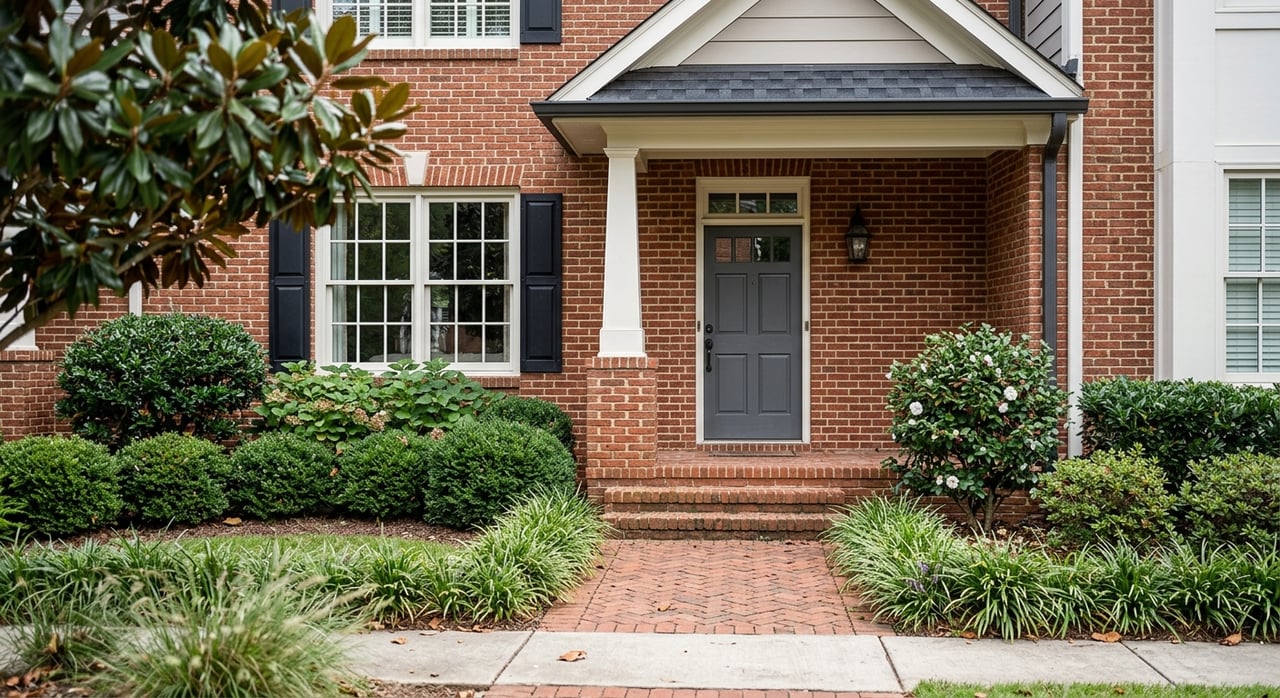
Wondering if buying a home for your Auburn student makes sense? You are not alone. With a large student population, limited on-campus housing, and an active off-campus market, many parents start asking whether owning could be a better fit than renting. This guide will help you think through the big decisions, the local rules, and the practical costs so you can move forward with more confidence. Let’s dive in.
Why Auburn parents plan early
Auburn University enrolled 34,145 students for the 2024-25 academic year. At the same time, the university reports about 4,900 on-campus residents across 24 residence halls.
Freshmen are not required to live on campus, and Auburn says on-campus housing is limited, with space for about 70% of the freshman class. That means many students look off campus early, and families who want to buy often need to start planning sooner than they expect.
Auburn also notes that its housing application and leasing timeline runs earlier than many other markets. If you are considering a purchase, it helps to think ahead not just about the school year, but about financing, ownership structure, and how long you may want to keep the property.
Buy vs. rent in Auburn
For some families, renting is the simpler path. It may offer flexibility if your student’s plans change, and it can reduce the number of responsibilities you take on as an owner.
For other families, buying can be worth exploring if you want more control over the property, more stability in where your student lives, or the option to keep the home after graduation. The right choice depends on your timeline, your budget, and how comfortable you are with ongoing ownership costs.
What Auburn’s housing picture makes clear is this: student housing is a recurring need here. Still, it is important to evaluate a purchase carefully and avoid treating it like a guaranteed investment outcome.
Property types parents consider
Single-family homes
Single-family homes often appeal to parents who want space, privacy, or a more traditional neighborhood setting. They can also give you flexibility if your plans shift later.
That said, your monthly budget should include more than the mortgage payment. You may also need to account for repairs, property taxes, homeowners insurance, and any HOA dues that apply.
Condos and townhomes
Condos and some townhomes can be attractive because they may offer lower exterior maintenance responsibilities. For busy families, that can feel more manageable than caring for a detached home.
But dues matter. HOA or condo fees are usually separate from the mortgage, and those costs can range from a few hundred dollars to more than $1,000 per month, so affordability should be based on the full monthly picture.
Duplexes and small multi-family homes
Some parents also look at duplexes or other small multi-family options. These properties may be especially appealing if you are thinking beyond your student’s immediate housing needs.
In Auburn, these properties deserve extra attention because the city’s rental registration process tracks each property individually, including each side of a duplex or each condo unit. If future rental use is part of your thinking, it is smart to understand that structure before you buy.
Budget for the full cost
One of the biggest mistakes buyers make is focusing only on principal and interest. Lenders look at the full financial picture, and you should too.
When reviewing affordability, consider:
- Mortgage principal and interest
- Property taxes
- Homeowners insurance
- Mortgage insurance, if applicable
- HOA or condo dues, if applicable
- Maintenance and repair costs
- Savings for unexpected expenses
Lenders typically review your income, assets, employment, savings, debt payments, and credit history or score when deciding whether you can repay the mortgage. If you are buying for a student, it helps to build your budget around the real monthly carrying cost, not just the loan estimate headline number.
Understand ownership before you buy
If you plan to buy with your child or another family member, ownership should be discussed early. The legal owners are the people listed on the title or deed.
That may sound simple, but it affects control, responsibility, and future decisions. If more than one person is involved, a written agreement can help clarify who pays what, how decisions are made, and what happens if someone wants out or falls behind.
It is also important to understand the difference between ownership and loan responsibility. A co-signer or co-borrower can be fully responsible for repayment, but some loan programs treat a co-signer as someone who is not on title and does not have ownership interest.
Occupancy can affect financing
Many parents are surprised to learn that occupancy status can shape the loan options available. In general, a principal residence is the borrower’s main home, an investment property is owned but not occupied by the borrower, and a second home cannot be a rental property.
If you are buying a home in Auburn for your student and you will not live there yourself, your lender may view the property differently than a primary residence. The final determination depends on the lender and loan program, so this is a conversation to have early.
This is one reason a parent purchase needs more planning than a standard owner-occupied home search. The home itself may be a good fit, but the financing structure has to match how the property will actually be used.
Closing costs and final steps
Even if you are still in the early planning stage, it helps to know what happens near the finish line. At closing, ownership is transferred with a deed.
You should also be prepared for closing costs and title-related expenses. Lender’s title insurance is usually required, owner’s title insurance is optional, and buyers should be ready to show proof of homeowners insurance at closing.
These details may not be the most exciting part of the process, but they matter. A smooth closing starts with knowing what documents, funds, and insurance coverage will be needed ahead of time.
Auburn tax rules to know
Property taxes are a key part of your annual ownership cost, and local rules matter. In Lee County, property taxes are levied on October 1, due between October 1 and December 31, and become delinquent on January 1.
Parents should also be careful not to assume they will qualify for a homestead exemption. Lee County says homestead exemptions apply only to a primary residence where the owner is on the deed, occupies the home, lives there on October 1 of the claimed year, and files during the required window.
For many parent-owned student homes, that means a homestead exemption usually will not apply unless the parent actually occupies the property. That can affect your carrying cost, so it is worth factoring in from the beginning.
If you may rent it later
A lot of parents buy with one eye on the future. Maybe you want to keep the home after graduation, lease it long term, or hold it as part of a longer ownership plan.
If the property later becomes a long-term rental, Auburn requires a residential rental business license. The city’s registration form also shows that residential rental property is tracked one property at a time, and renewal fees are tied to prior-year gross rental income.
Short-term rentals follow a different set of local rules. Auburn distinguishes between a homestay, where the owner occupies the property as a primary residence, and a short-term non-primary rental, where the entire dwelling is leased for fewer than 30 consecutive days.
For short-term rental use, applicants must first secure the appropriate permit or zoning certificate, then obtain a short-term rental business license. Because the rules differ by use and location, it is smart to confirm the property’s path before you buy if future rental flexibility is important to you.
What a smart Auburn purchase looks like
A smart student-home purchase usually comes down to clarity. You want to know how long you plan to own the home, who will be on title, what your true monthly cost will be, and whether future rental use matters to you.
You also want to choose a property type that fits your goals. A condo, townhome, single-family home, or duplex can each make sense in the right situation, but they come with different cost structures and local considerations.
In Auburn, where housing timelines move early and off-campus demand is a constant part of university life, thoughtful planning goes a long way. When you look at the numbers, the ownership structure, and the local rules together, you can make a decision that feels both practical and personal.
If you are weighing a purchase for your Auburn student, working with a local team that understands university-adjacent housing, ownership strategy, and long-term property stewardship can make the process much easier. The Nest Collective is here to help you explore the right fit with care, clarity, and local insight.
FAQs
Should parents buy a home for an Auburn student early?
- Yes, starting early can help because Auburn University says its housing and leasing timeline is earlier than many markets, and on-campus housing is limited.
What property types can parents buy in Auburn for a student?
- Parents often compare single-family homes, condos, townhomes, duplexes, and small multi-family properties depending on budget, maintenance preferences, and future plans.
Do Auburn parent buyers qualify for a homestead exemption?
- Usually not unless the parent actually occupies the home as a primary residence and meets Lee County’s deed, occupancy, and filing requirements.
What costs should parents budget for when buying in Auburn?
- You should budget for mortgage payments, property taxes, homeowners insurance, possible mortgage insurance, HOA or condo dues if applicable, and repair or maintenance costs.
Can parents rent out an Auburn student home later?
- Possibly, but long-term rentals require a residential rental business license in Auburn, and short-term rentals follow separate permit, zoning, and licensing rules.
Does occupancy status affect financing for an Auburn student home?
- Yes, loan options can depend on whether the home is considered a primary residence, second home, or investment property, so you should confirm the property’s intended use with your lender early.