Thinking about a weekend place on the water or a flexible home you can enjoy and rent part-time? A second home at Lake Martin can check both boxes if you plan it well. You want the right setting, smart financing, and clear rules on docks, rentals, and taxes so there are no surprises later. In this guide, you’ll learn the key questions to ask before you buy in 35010 and around Tallapoosa County, plus where to verify details. Let’s dive in.
Why Lake Martin for a second home
Lake Martin draws steady demand for waterfront homes and limited inventory, which helps support pricing. A recent Lake Martin market report highlights rising median prices for waterfront properties and ongoing tight supply. If you look inland in Alexander City and the broader 35010 area, you’ll find more affordable options compared to lakefront addresses. It is important to compare homes with similar shoreline access and dock rights.
The lake is seasonal, with boating, holidays, and fishing tournaments driving peak visits and short-term rental demand. Scan the local events calendar to see when occupancy and nightly rates typically surge. If rental income matters to you, start your assumptions with those peak periods and plan for quieter off-season months.
Waterfront vs. inland: know the differences
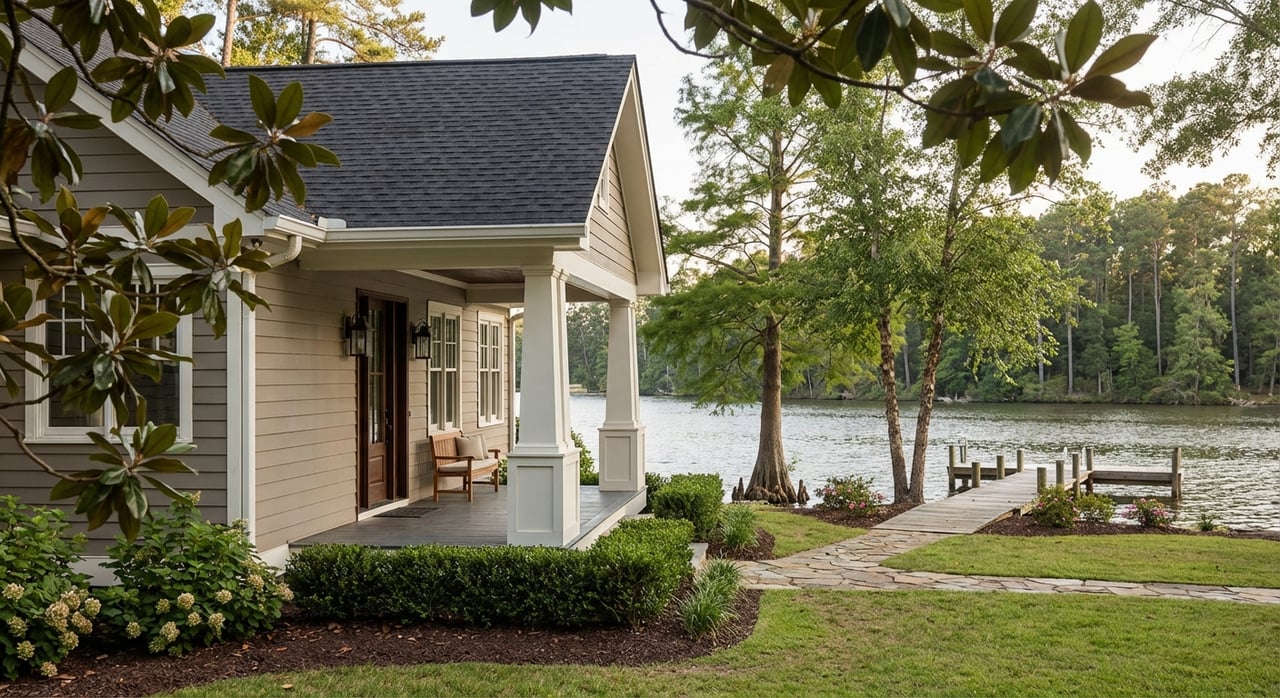
Waterfront value is tied to shoreline, water depth, view corridors, and dock or boathouse rights. Before you write an offer, confirm whether existing structures were permitted and whether the lot is eligible for what you want to build. Start with the Alabama Power Shoreline Management permit page.
Inland or “water-access” homes can offer great value, but comps will look very different. When you compare prices, stay apples to apples: direct waterfront with permitted dock access vs. non-waterfront locations. Ask your agent to separate lakefront and non-lakefront data so you can see a clear picture.
Clarify your use plan
Think about how often you will use the home and whether you plan to rent it.
- Mostly personal use. Treat the home as a lifestyle purchase. You may still offset costs with a few carefully chosen rental weeks.
- Personal use plus renting. If you will rent regularly, your financing terms, tax reporting, and insurance needs may differ. Review the basics in IRS Publication 527 and talk with a CPA about the 14-day or 10 percent personal-use test.
If the home sits in an HOA, verify rental rules before you commit. Many HOAs set minimum lease terms or cap the percentage of units that can be rented. This varies by community, but you can review examples of common HOA rental restrictions to know what to look for.
Permits, wells, septic, and flood risk
- Docks and shoreline work. Any construction or repair in the lakebed, Alabama Power flood easement, or control strip typically needs a shoreline permit. Confirm existing permits and eligibility early at Alabama Power Shoreline Management.
- Wells and septic. Many properties rely on private wells and on-site sewage. Ask for septic permits, pump history, and inspection records, then verify with the Alabama Department of Public Health’s Tallapoosa County office.
- Flood maps and insurance. Lenders usually require flood insurance if a structure is in a Special Flood Hazard Area. Pull the FEMA map for the address and review lender expectations using the federal guidance on mandatory flood insurance.
Your cost plan: what to budget
A strong plan looks at up-front costs, fixed monthly bills, and seasonal or rental-related expenses.
- Up-front acquisition. Purchase price, down payment, lender reserves, and closing costs. Lenders often expect larger down payments and documented reserves on second homes than on primary residences. Review second-home financing basics and ask a lender how your personal-use plan affects terms.
- Recurring costs. Property taxes, homeowner’s insurance, flood insurance if required, utilities, routine maintenance, landscaping, dock upkeep, and HOA dues if applicable. For property taxes, start with the Tallapoosa County Revenue Commission to understand assessments and millage.
- If you plan to rent. Budget for cleaning and turnover, supplies, guest communications, repairs, platform or booking fees, and professional management if you do not self-manage. Costs vary by service level and season. Build in a reserve for the unexpected.
Tip: Before you make an offer, price out insurance quotes, utilities, and a maintenance reserve. If you plan to rent, ask two or three local managers for a sample owner statement and estimate of seasonal occupancy.
Renting: short-term vs. long-term
- Short-term rentals. Nightly or weekly stays can earn higher peak-season income, but they bring more guest turns, variable vacancy, and more active management. Full-service managers can handle pricing, marketing, guest support, and housekeeping for a fee.
- Long-term rentals. Monthly or seasonal leases usually mean steadier occupancy and fewer turns. Annual income may be lower than a well-optimized short-term rental, but workload and costs are usually more predictable.
If you offer paid lodging, you are responsible for the correct taxes. Review the Alabama Department of Revenue’s city and county tax rates to see which sales or lodging taxes apply to your property and whether your location uses a third-party administrator. Some platforms may remit part of the tax, but owners remain responsible for full compliance. For federal tax treatment of personal use vs. rental days, see IRS Publication 527 and consult your CPA.
How a property manager can help
A good manager can handle marketing and dynamic pricing, guest screening and support, cleanings and turnovers, vendor coordination, basic maintenance, inspections, and help with local tax registration and remittance. Expect fees and service menus to vary by firm. Interview a few managers, ask for references, and compare sample owner statements before you choose.
Lake Martin due-diligence checklist
Use this list to confirm essentials before you buy:
- Verify if the parcel is direct waterfront, water-access only, or inland. Confirm shoreline eligibility and any existing dock permits at Alabama Power Shoreline Management.
- Pull a FEMA flood map for the address and discuss insurance requirements with your lender using federal flood guidance.
- Get recorded HOA documents and covenants. Check rental limits and architectural rules. Review examples of common HOA rental restrictions so you know what to look for.
- Ask for septic and well records, pump dates, and inspection reports. Verify with the ADPH Tallapoosa County office.
- Request the last property tax bill and parcel appraisal. Confirm classification and millage with the Tallapoosa County Revenue Commission.
- Confirm with a lender whether your plan fits “second home” or “investment property” guidelines. Discuss down payment and reserve expectations using second-home financing basics.
- If you plan to rent, register for the correct lodging and sales taxes using the Alabama Department of Revenue’s city and county tax rates.
A second home at Lake Martin should feel simple and joyful. With a clear plan for shoreline permits, taxes, insurance, and day-to-day care, you can enjoy the lake and let the home take care of itself. If you want help comparing waterfront and inland options, or you would like to talk through management and rental strategy, reach out to The Nest Collective. Let’s find your place.
FAQs
What makes waterfront pricing different at Lake Martin compared to 35010 inland homes?
- Waterfront homes trade on shoreline, depth, view, and dock rights, while inland homes follow broader Tallapoosa County trends; compare like with like when reviewing comps.
Do I need a permit for a new dock or boathouse on Lake Martin?
- Yes, most shoreline structures require an Alabama Power shoreline permit; confirm eligibility and any existing permits before you buy or build.
How do short-term rentals work around Lake Martin, and are there local taxes?
- Nightly rentals can earn more in peak season but require active management; you must register, collect, and remit applicable state and local lodging or sales taxes.
What insurance do I need for a lake house?
- Expect homeowner’s insurance and possibly flood insurance if the home is in a FEMA Special Flood Hazard Area; lenders usually require flood coverage for those zones.
How do septic systems affect a Lake Martin purchase?
- Request septic permits, pump history, and inspection records, then verify with the local health department; maintenance and replacement access should fit your long-term plans.
What are typical down payments for a second home?
- Lenders often require larger down payments and cash reserves for second homes than for primary residences; ask a lender to size requirements based on your use plan and credit profile.