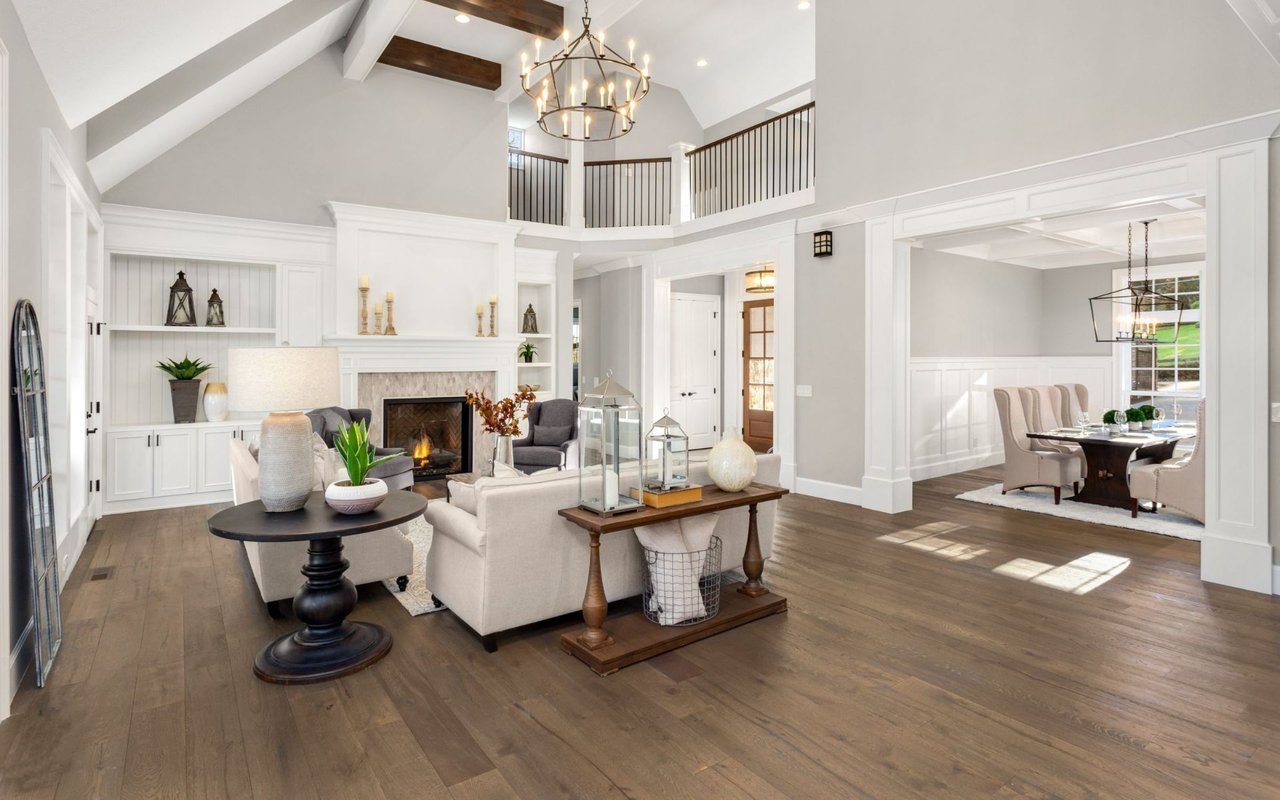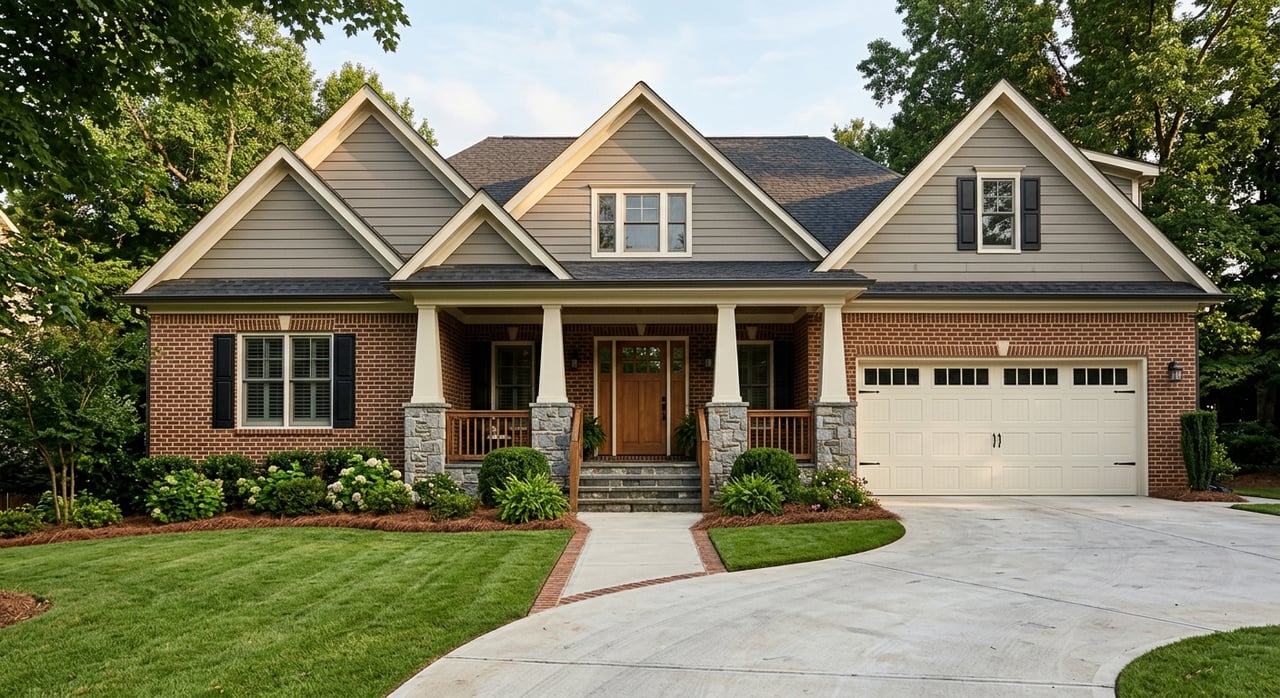
Thinking about moving up in Opelika, but not sure how to line up your current home sale with your next purchase? You are not alone. For many homeowners, the hardest part is not choosing the next house. It is making the numbers, timing, and logistics work without unnecessary stress. In this guide, you will learn how to plan your move-up purchase in Opelika, what today’s local market suggests, and which timing paths may make the most sense for your situation. Let’s dive in.
Understand Opelika’s Move-Up Market
If you are planning a move-up purchase, it helps to start with the local market instead of broad national advice. Opelika has a growing owner-occupant base, with a 2025 population estimate of 35,765 and an owner-occupied housing rate of 69.1%. The median value of owner-occupied homes is $241,800, which gives helpful context for many households considering their next step.
Recent resale activity also shows why planning matters. In May 2026, Opelika’s median sale price was $329,703, homes sold in about 53 days on average, and 20.3% of homes sold above list price. Redfin describes the market as somewhat competitive, which means pricing, preparation, and timing can all affect your outcome.
See What “Move-Up” Can Look Like
In Opelika, move-up buying does not always mean jumping into a completely different kind of market. The city’s housing stock is still heavily shaped by detached homes, with 9,739 one-unit detached properties out of 14,389 total housing units. At the same time, the city also includes attached homes, multifamily options, and mobile homes, and new neighborhoods and apartments continue to be built.
That mix creates a practical move-up story for many buyers. Some homeowners may be starting in older detached homes, while their next step could be a newer detached home, townhome, or condo with a different layout or more space. Since 23.4% of Opelika’s housing stock was built before 1970, age, condition, and upkeep can also play a big role when you compare your current home to possible move-up options.
Recent sales snapshots give a useful sense of local price bands. In late June 2026, examples included a 3-bedroom, 2.5-bath condo at $282,500, a 4-bedroom, 3.5-bath detached home at $299,993, a 4-bedroom, 2.5-bath detached home at $335,000, and another 4-bedroom, 2.5-bath detached home at $415,000. These are not rules, but they do suggest a realistic path from a starter home under $300,000 or in the low $300,000s into a larger home in the low $300,000s to low $400,000s.
Start With Your Equity Position
Before you tour homes, get clear on what your current home may contribute to the next purchase. Home equity is the difference between what your property is worth and what you still owe on your mortgage. That number matters, but it is not the same as cash you can freely spend.
Your usable proceeds may be lower once you account for moving costs, repairs, home improvements, and closing costs. If you are counting on your current home to fund your down payment, it is smart to build in a cushion. A move-up plan usually works better when you are realistic on the front end instead of surprised later.
Get Preapproved Early
A lender conversation should happen early in your process, not after you find the perfect home. A preapproval letter is a lender’s tentative promise to lend up to a certain amount, but it is not a guaranteed loan offer. It also usually expires in 30 to 60 days, so timing matters.
Getting preapproved early gives you time to spot issues, update documents, and compare loan options. It can also help you understand what monthly payment feels comfortable once you factor in more than just principal and interest. In a market like Opelika, where homes can still move at a healthy pace, clarity on your budget can help you act with more confidence.
Budget Beyond the Purchase Price
When you move up, it is easy to focus on the listing price and forget the full monthly picture. In Alabama, single-family owner-occupied residential property is taxed as Class III at a 10% assessment ratio, and a homestead exemption may apply to a single-family primary residence. The City of Opelika explains that property tax due is calculated by multiplying the millage rate by assessed value, less exemptions.
That means your future monthly housing cost should be built around the mortgage, insurance, and local property taxes, not just the sticker price of the home. You should also remember that homeownership comes with ongoing costs like repairs and other upkeep. A larger home can offer more room and flexibility, but it may also come with a higher monthly commitment.
Choose the Right Timing Strategy
One of the biggest move-up decisions is whether to sell first, buy first, or try to do both on a tight timeline. The best path depends on your finances, risk tolerance, and how much flexibility you have with your move.
For many households, selling first is the simplest route. Consumer guidance from CFPB says people who want to move should try to sell their current home before buying another one. This approach can reduce financial strain and make it easier to know exactly how much cash you have for your next home.
Option 1: Sell First
Selling first gives you the clearest financial picture. You know your sale proceeds, your mortgage payoff is behind you, and you can shop for your next home with fewer unknowns. This route often works well if you want to avoid carrying two housing payments at once.
The tradeoff is that you may need a short-term housing plan. Some homeowners rent for a period while they shop, which can lower pressure and give them time to make a thoughtful decision instead of rushing into the next purchase.
Option 2: Buy First
Buying first can make sense if the right home appears before your current property closes. Still, this path needs careful lender review. If you buy before you sell, your lender will need a clear picture of whether you can carry both homes and your other obligations.
This option can feel more convenient on the moving side, but it usually carries more financial complexity. It is better suited to households with strong cash reserves or a very clear financing plan.
Option 3: Use a Bridge Loan
A bridge loan can help if you need to buy before your sale closes, but it is not automatic or appropriate for every buyer. Fannie Mae allows bridge or swing loans as acceptable funds when the lender documents that the borrower can carry the current home, the new home, the bridge loan, and other obligations.
In simple terms, a bridge loan can create flexibility, but it does not remove the need for strong finances. If you are considering this route, the key is to review the plan carefully with your lender before you start writing offers.
Prepare for Two Sets of Costs
A move-up purchase often means managing costs on both sides of the transaction. Closing costs can add up to thousands of dollars and may include appraisal fees, title insurance, government taxes, and prepaid expenses. Even when seller contributions are part of a deal, those costs are often offset somewhere else in the overall negotiation.
That is why a move-up budget should include more than down payment math. You should also plan for sale prep, moving expenses, possible overlap in monthly payments, and purchase closing costs. A strong plan is usually less about stretching to the highest number and more about keeping your next chapter comfortable.
Match Your Home Search to Opelika Inventory
Because Opelika includes a mix of older homes, newer neighborhoods, condos, and townhomes, your move-up search should focus on your real priorities. You may want more square footage, a different floor plan, newer construction, less maintenance, or a home that better fits how you live today. The right move-up purchase is not always the largest house. It is the one that improves your day-to-day life.
It also helps to keep local pricing in perspective. With current examples spanning from the high $200,000s into the low $400,000s for likely move-up options, your search may involve tradeoffs between size, age, finishes, and location within Opelika. Knowing what matters most to you makes those decisions easier.
Build a Practical Move-Up Plan
A smooth move-up purchase usually starts with a clear checklist. Before you fall in love with the next house, make sure the basics are in place.
- Estimate your current home’s likely sale range
- Review your remaining mortgage balance
- Calculate likely net proceeds, not just gross equity
- Talk with a lender early about preapproval and payment comfort
- Compare timing options: sell first, buy first, or bridge loan
- Budget for taxes, insurance, closing costs, repairs, and moving
- Narrow your must-haves versus nice-to-haves for the next home
When you take these steps early, you can make decisions from a place of clarity instead of urgency. That usually leads to a better experience on both the selling and buying side.
Planning a move-up purchase in Opelika is part numbers, part timing, and part knowing what kind of home will truly serve your next season. With the right strategy, you can protect your equity, reduce surprises, and move forward with confidence. If you are ready to map out your next step in Lee County, The Nest Collective is here to help you find your place.
FAQs
How do you plan a move-up home purchase in Opelika?
- Start by reviewing your equity, getting preapproved early, estimating your full monthly payment, and choosing a timing strategy for selling your current home and buying the next one.
What is the Opelika housing market like for move-up buyers?
- Recent Opelika data shows a median sale price of $329,703, average market time of 53 days, and 20.3% of homes selling above list price, which suggests timing and pricing still matter.
What price range might a move-up home fall into in Opelika?
- Recent local sales snapshots suggest some move-up options may fall from the high $200,000s into the low $400,000s, depending on size, property type, and condition.
Should you sell your current home before buying another in Opelika?
- Selling first is often the simplest option because it gives you a clearer picture of your proceeds and reduces the chance of carrying two homes at once.
What costs should you budget for in an Opelika move-up purchase?
- Budget for your mortgage, insurance, local property taxes, closing costs, moving expenses, possible repairs, and any overlap between your sale and purchase timelines.