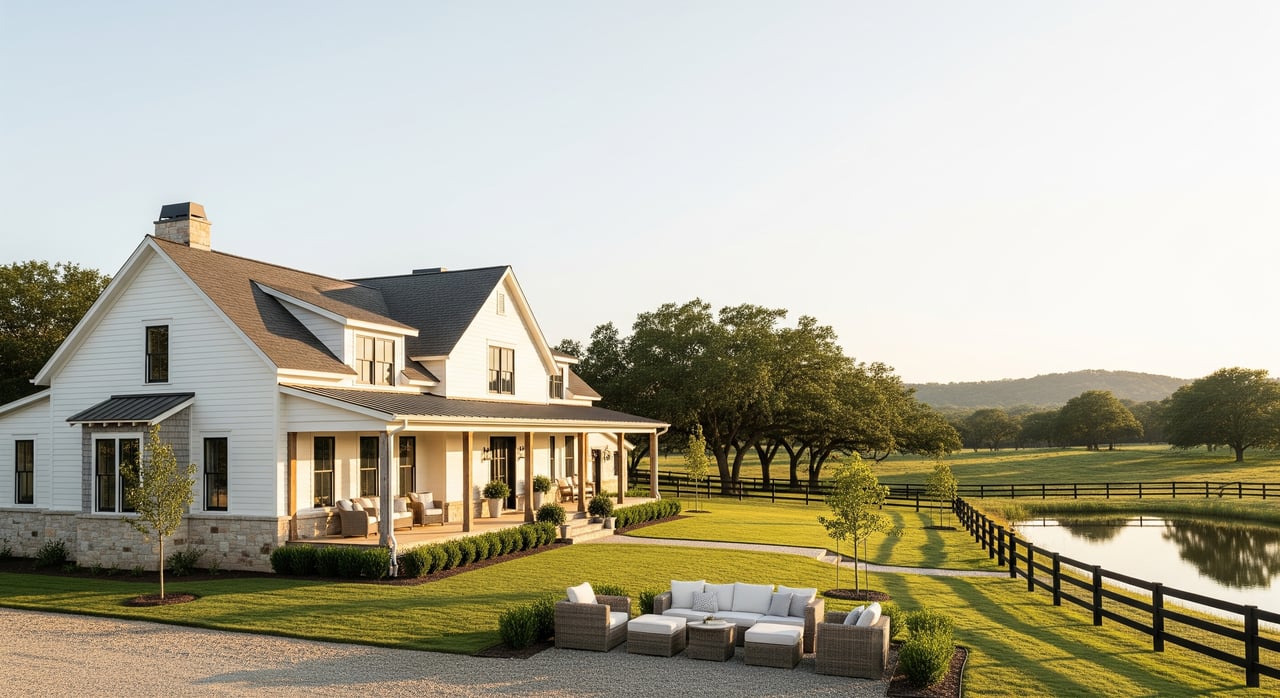
Selling a home on acreage around Waverly is different from selling in town. Buyers are coming for the land and lifestyle first. They want confidence in what they are buying and a clear picture of how they can use it. In this guide, you’ll learn what matters most to rural buyers in Chambers County, the steps to take before you list, and the simple upgrades that boost perceived value. Let’s dive in.
What Waverly acreage buyers value
Acreage and hobby‑farm buyers in this corridor look for practical details that prove the land works for their goals. You set the tone by preparing the right information upfront.
- Clear boundaries and access. Buyers want proof of acreage, obvious entry points, and any driveway or private road agreements.
- Reliable water and wastewater. Well function and water quality, plus septic status and capacity, are top of mind.
- Usable improvements. Barns, fencing, ponds, trails, and outbuildings should feel safe and functional.
- Land qualities. Topography, pasture health or timber potential, and any conservation limits affect value.
- Connectivity. Electric service, propane arrangements, and realistic internet options matter for daily life.
Confirm boundaries and access
Survey and easements
If you have a current, recorded survey, make it available. If not, consider ordering a boundary survey or a verification survey. A certified survey answers the top buyer question: “Where are the lines?” Also gather recorded easements or road maintenance agreements from county records so you can explain access clearly.
Title, timber, and mineral rights
Clarify what rights you will convey. In rural Alabama, timber or mineral rights may have been severed in past deeds. Order a recent title commitment early. It can reveal exceptions and encumbrances before they become deal blockers.
Vet water, septic, and utilities
Well and water testing
Provide recent well potability results and any pump service records. Buyers want confidence that the water is safe and the system is dependable. For guidance on testing, review the Alabama Department of Public Health resources at the state level for private systems and well practices.
Septic inspection and records
Even if not required, a pre‑listing septic inspection and pump‑out record go a long way. Document system type, age, capacity, and any recent service. Your county health department can advise on local expectations for rural transfers.
Utilities and connectivity
Create a one‑page utility sheet with providers, meter locations, propane tank ownership, and recent bills. Note internet options like DSL, fixed wireless, or satellite, and any updates on your road. Buyers appreciate a realistic snapshot of service availability.
Check floodplain and land programs
Use the FEMA Flood Map Service Center to check whether any part of the parcel falls within a mapped flood zone. If you have wetlands, conservation easements, or program enrollment, disclose it and provide documents. For soil and pasture guidance, the Alabama Cooperative Extension System and USDA NRCS offer practical resources for small farms and land stewardship.
- Review floodplain status on the FEMA Flood Map Service Center.
- Explore land and soil resources with the Alabama Cooperative Extension System.
- Find technical assistance through USDA NRCS in Alabama.
Understand taxes and disclosures
Pull current property tax records and note any agricultural or timber classifications that affect the tax bill. Be ready to complete standard Alabama seller disclosures and any rural addenda that cover private roads, wells, and septic. Your agent can confirm the correct forms for acreage in Chambers County.
Land‑first curb appeal
Acreage curb appeal starts at the road and continues across the usable land. Focus your time where buyers will walk and drive.
Driveway and gate
Make the entry obvious and easy. Trim overhanging branches, repair ruts, and add fresh gravel to high‑use stretches. Ensure gates open smoothly and are freshly painted or repaired. If you use a lock for showings, set a clear protocol with your agent.
Boundary visibility and fencing
Fix or straighten visible fence lines and gates. Trim brush along the driveway and road frontage so boundaries feel open and cared for. On larger parcels, simple markers for showing paths help buyers explore without wandering or damaging sensitive areas.
Pastures and barns
Mow the house approach, key pasture views, and the path to the barn. Remove clutter and organize tools and tack. Address simple safety or weatherproofing items that buyers will notice, like patching small roof leaks or securing loose panels.
Water features and woods
Clean pond edges so buyers have a safe, clear vantage point. Open a short walking loop to showcase trails and forest structure without a long hike. A neat, intentional window into the woods helps buyers understand the land.
Seasonal touches
Freshen the entrance with a repaired mailbox and tidy landscaping. During growing season, mow a swath to main features. In winter, keep driveways passable and gates visible for easy access.
Cost guide for quick wins
Ballpark ranges vary locally, but small improvements often pay off:
- Driveway regrading and gravel: several hundred to a few thousand dollars.
- Visible fencing repairs: about $200 to $2,000 depending on scope.
- Minor barn repairs and cleanup: roughly $150 to $1,500.
- Professional staging for interiors and small exterior vignettes: about $500 to $5,000.
Use visuals that sell the land
Drone imagery done right
Aerials help buyers grasp scale, shape, and access in seconds. For listing use, hire a FAA Part 107 certified remote pilot who follows small UAS rules. Ask for parcel‑scale overheads, a boundary overlay using survey or GIS lines, an approach sequence showing the driveway and gates, and feature shots of ponds, barns, pastures, and trails.
- Learn about FAA Part 107 rules for commercial drone operations.
Deliverables that work well:
- High‑resolution aerial photos plus an edited 30 to 90 second video.
- A still image with a clear parcel boundary overlay for the listing packet.
- Low‑angle flybys that show topography, roofs, and outbuilding context.
Ground photos and timing
Schedule exterior photos for golden hour when light is soft and inviting. Inside, declutter and keep rooms neutral. Use wide angles responsibly to show true proportions. Mix lifestyle vignettes, like a tidy porch or picnic spot by the pond, with straightforward documentation shots.
Staging for rural living
Inside, highlight useful spaces like mudrooms and laundry areas. Outside, keep porches clean and simple. A minimal, well‑kept farm vignette, such as stacked firewood or an organized tool rack, signals functionality without clutter. Pair visuals with a documentation packet so buyers can connect what they see with proof of care and condition.
A practical prep timeline
Use this simple framework and adjust to your pace and vendor availability.
- 4 to 8 weeks pre‑listing:
- Locate or order a boundary survey and pull a preliminary title commitment.
- Arrange well water testing and a septic inspection.
- Check with county offices on disclosures and any permitting questions.
- Gather quotes for driveway, fencing, and barn repairs.
- Book a professional photographer and licensed drone pilot.
- Start cleanup, mowing, and light staging.
- 1 to 2 weeks pre‑listing:
- Finish interior staging and deep cleaning.
- Compile your documentation packet: survey, tax records, utility info, service logs, water and septic reports, and disclosures.
- Capture aerials and ground photos and assemble your listing materials.
- Listing week:
- Set showing instructions for gates, locks, and any livestock.
- Provide printed and digital copies of key documents for buyer tours.
Showings without stress
Plan an easy showing route that starts at the entry and highlights the driveway, house site, barn, and one or two land features. Mark paths if needed. If parts of the property are sensitive, note boundaries for where buyers should and should not drive or walk. Keep your documentation packet on the kitchen counter and a digital version ready to share.
List with confidence in Waverly
Selling acreage takes a land‑first plan, clear documentation, and visuals that tell the whole story. With thoughtful prep, you can reduce buyer uncertainty and invite stronger offers. If you want a design‑forward, boutique approach to staging and marketing, reach out to The Nest Collective. We combine neighborly care with polished presentation to help your Waverly acreage shine.
Ready to start? Connect with The Nest Collective and let’s map your next steps.
The Nest Collective. Let’s find your place.
FAQs
What should I provide to prove boundaries on my Waverly acreage?
- Share a certified boundary survey if available, plus any recorded plats or easements. Mark a simple walking route for showings. County GIS maps are helpful as a visual aid but do not replace a survey.
What well and septic documents do buyers expect in Chambers County?
- Recent well potability results, pump service records, a septic inspection report, and pump‑out history. Your county health department and the Alabama Department of Public Health provide guidance on private systems.
Are drone photos allowed for my listing in Alabama?
- Yes, if the operator follows FAA small UAS rules. Hire a FAA Part 107 certified remote pilot and avoid flying over people or restricted airspace. Prioritize parcel overviews and feature shots with a boundary overlay.
How do I handle a private road or shared driveway before listing?
- Gather any recorded easements and road maintenance agreements and summarize current responsibilities and costs. Make this available in your listing packet to reduce uncertainty.
Do I need to disclose mineral, timber, or conservation rights?
- Disclose what rights you will convey and provide copies of any contracts or reservations. A title commitment can flag severed rights and conservation easements so you can address them upfront.
How long does acreage prep usually take?
- Plan for four to eight weeks to complete surveys, inspections, light repairs, and visuals. With vendors lined up, you can move faster, but starting early protects your timeline and your price.
Sources and helpful resources:
- FEMA Flood Map Service Center: Check floodplain status
- FAA UAS: Part 107 rules for commercial drones
- Alabama Cooperative Extension System: Soil and pasture guidance
- USDA NRCS Alabama: Conservation and soils support
- Alabama Department of Public Health: Private well and septic guidance